Cold Laser Therapy for Post-Operative Scars in Perth
Introduction
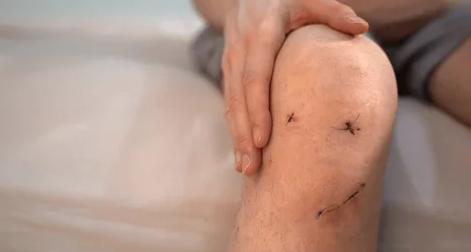
After surgery, scar formation is a natural part of the healing process but sometimes scars can remain thick, raised, painful, or restrict movement in nearby joints and tissues. Post-operative scar tissue can also affect nerve mobility, contribute to chronic discomfort, or limit flexibility in the surrounding muscles and fascia.
Cold laser therapy (low-level laser therapy, LLLT) is a non-invasive, drug-free treatment that may help promote optimal healing and reduce scar tissue adhesions when used alongside conventional rehabilitation and manual therapy.
Common Post-Operative Scar Concerns
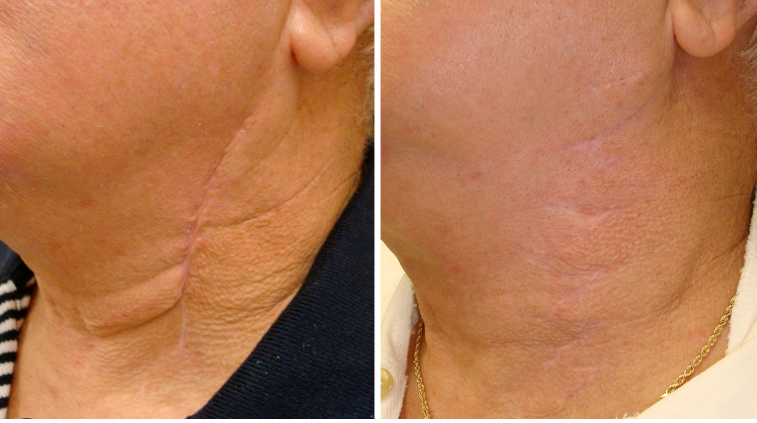
Scars vary greatly depending on the type of surgery, location, and individual healing response. Common issues include:
- Tightness or pulling sensation around the incision site
- Raised (hypertrophic or keloid) scars
- Restricted range of motion in nearby joints
- Discomfort or sensitivity over the scar area
- Uneven tissue texture or appearance
For some patients, even small scars particularly over joints or tendons can cause ongoing tension or pain due to underlying adhesions or restricted fascia.
How Cold Laser Therapy May Help
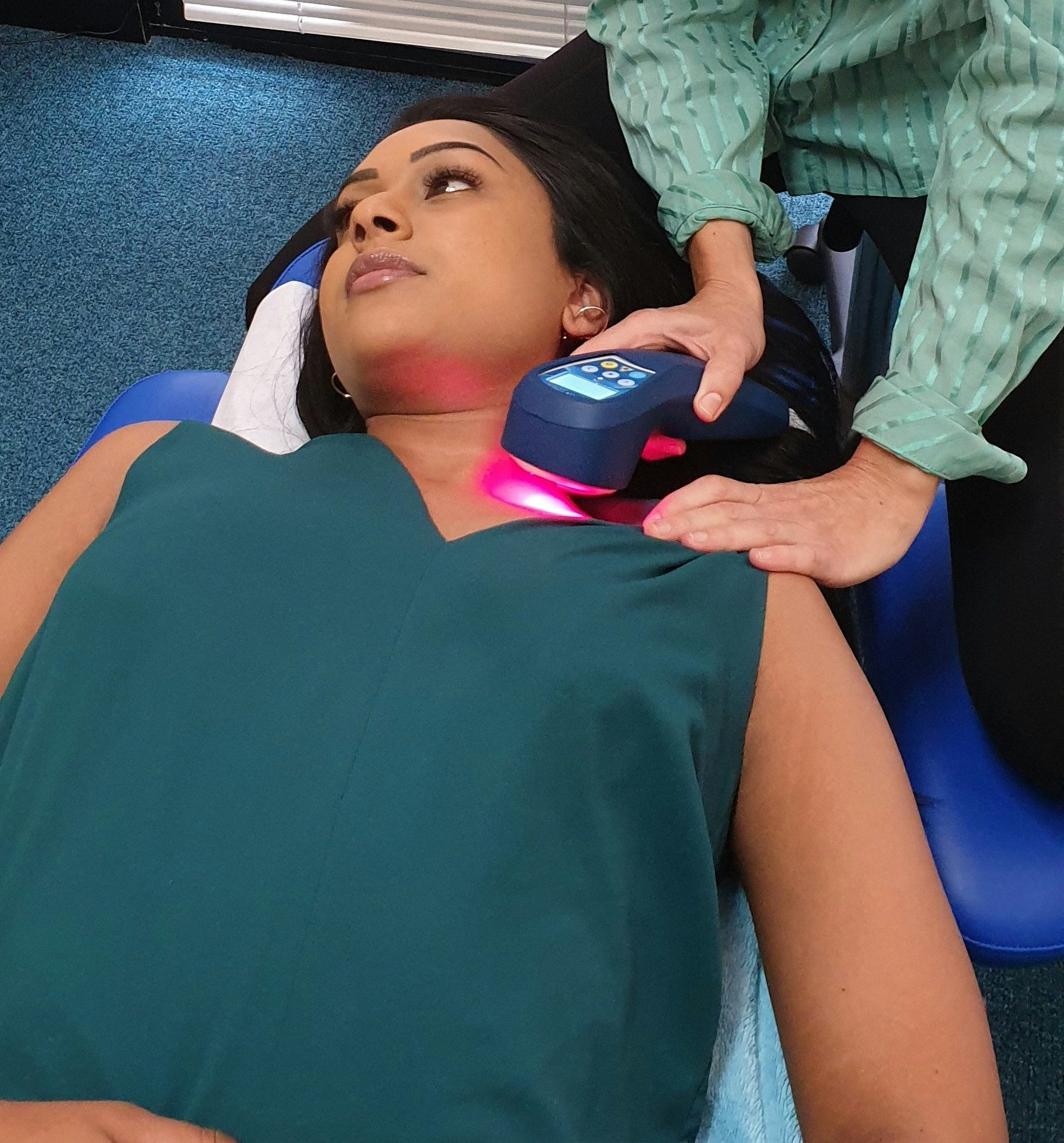
Cold laser therapy uses specific light wavelengths to stimulate cellular repair and improve tissue regeneration. When applied over scar tissue, it can:
- Stimulate fibroblast activity: Promotes balanced collagen production, reducing the risk of thick or irregular scarring.
- Improve microcirculation: Enhances oxygen and nutrient delivery to healing tissues.
- Reduce inflammation and pain: Helps calm hypersensitive or inflamed tissue in the area of the scar.
- Enhance tissue flexibility: May help break down or remodel collagen cross-links in mature scar tissue, improving elasticity and mobility.
- Accelerate wound healing: In early post-surgical stages, laser may assist in faster epithelialisation and reduced redness.
These effects can make cold laser therapy particularly useful for scars that are causing discomfort or functional limitations.
Integration with Chiropractic and Other Modalities
At Cold Laser Perth, post-operative scar management is often combined with other evidence-based therapies for a more comprehensive result:
- Manual therapy and myofascial release: To reduce surrounding soft tissue tension and adhesions.
- Stretching and rehabilitation exercises: To restore movement and prevent compensatory patterns.
- Nutritional support: Promoting healthy collagen formation with adequate vitamin C, zinc, and protein intake.
- Cold laser therapy: Applied directly to the scar region to assist with cellular recovery and collagen remodelling.
This integrative approach supports healing from both a functional and cosmetic perspective.
Recent Research
Multiple studies have shown that low-level laser therapy can support wound healing and improve scar outcomes:
- Low-level laser therapy (LLLT) has been extensively investigated for its potential to enhance wound healing and tissue repair. Posten et al. (2005) reviewed over 30 clinical and experimental studies and found that LLLT can stimulate cellular proliferation, collagen synthesis, and reduce inflammation, contributing to improved healing outcomes. However, the authors noted that while in vitro and animal studies consistently demonstrated positive effects, human clinical trials were less consistent, emphasizing the need for more controlled, well-designed studies before firm clinical recommendations can be made.
- Building on clinical applications, Hopkins et al. (2004) conducted a triple-blind, randomized, sham-controlled study on human subjects with standardized superficial wounds. Their findings showed that wounds treated with LLLT healed faster, with greater contraction and smaller wound areas compared to sham treatment. Interestingly, even adjacent untreated wounds in subjects receiving LLLT showed some improvement, suggesting a potential systemic or “field” healing effect. These results provide direct human evidence that LLLT can accelerate tissue repair through enhanced wound contraction and cellular activity.
- Further supporting the regenerative potential of light therapy, Barolet and Boucher (2010) explored its preventive use in scar formation. In their case series, post-surgical patients who received prophylactic near-infrared LED therapy showed visibly improved scar texture, reduced hypertrophy, and better cosmetic outcomes compared to untreated sites. The study suggested that LLLT may modulate collagen organization and inhibit profibrotic pathways such as TGF-β1 signalling. Together, these studies illustrate that LLLT not only promotes faster healing in acute wounds but may also play a role in improving scar quality and preventing abnormal tissue remodelling.
Book an Appointment
If you’ve had surgery and are concerned about pain, tightness, or cosmetic appearance of your scar, cold laser therapy may assist your recovery. Our team at Cold Laser Perth, located within Lakeside Chiropractic Joondalup, provides personalised laser treatment plans to support healthy tissue healing and mobility.
📍 Find us in Joondalup 📅 Book online at coldlaserperth.com.au 📞 Or call (08) 9300 0095 to book your appointment today.
Serving Perth’s Northern Suburbs Cold Laser Perth proudly serves patients across Joondalup and surrounding suburbs including Yanchep (6035), Tapping (6065), Carramar (6031), Currambine (6028), Wanneroo (6065), Heathridge (6027), Edgewater (6027), Gnangara (6077), Mullaloo (6027), Padbury (6025), Kingsley (6026), Woodvale (6026), Banksia Grove (6031), and Duncraig (6023).
References
- Posten, W., Wrone, D. A., Dover, J. S., Arndt, K. A., Silapunt, S., & Alam, M. (2005). Low-level laser therapy for wound healing: Mechanism and efficacy. Dermatologic Surgery, 31(3), 334–340. https://doi.org/10.1097/00042728-200503000-00016
- Barolet, D., & Boucher, A. (2010). Prophylactic low-level light therapy for the treatment of hypertrophic scars and keloids: A case series. Lasers in Surgery and Medicine, 42(6), 597–601. https://doi.org/10.1002/lsm.20952
- Hopkins, J. T., McLoda, T. A., Seegmiller, J. G., & Baxter, G. D. (2004). Low-level laser therapy facilitates superficial wound healing in humans: A triple-blind, sham-controlled study. Journal of Athletic Training, 39(3), 223–229.
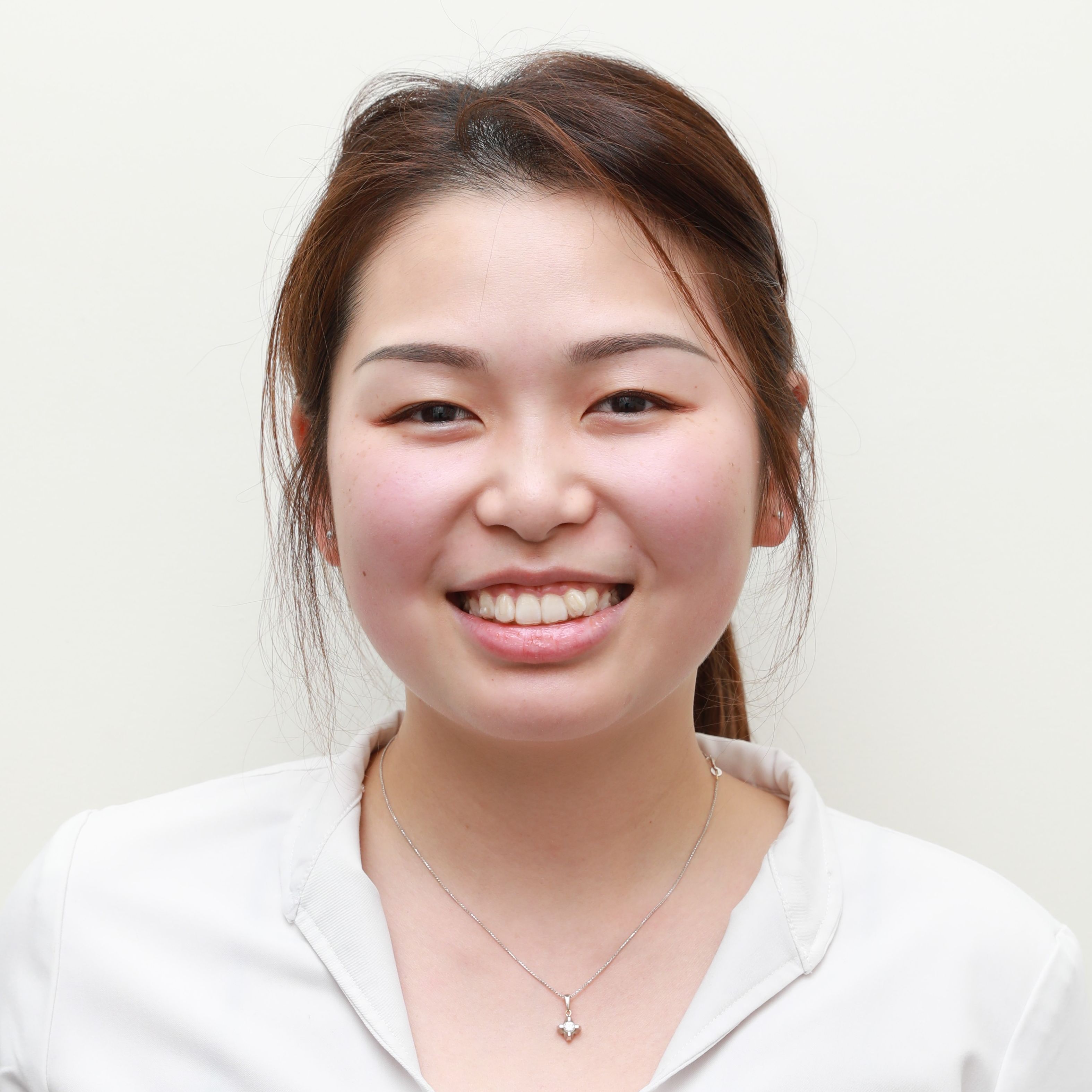
Dr. Kaitlyn (Yun Qi) Lau
I was first introduced to the world of Chiropractic in my teenage years, when I was given the opportunity to observe my cousin who is a chiropractor. During my brief time in observation, I witnessed the wonder of chiropractic and it was truly a miracle to me, seeing how it can change a person’s life. An old lady came in limping with chronic pain, after the treatment, she walked out perfectly fine with a big smile on her face. She held onto my hand to say thank you to me, even though I was just standing there doing nothing. It filled with me with such joy and fulfillment that in that instance, I made up my mind to become a chiropractor, no matter what it took. I graduated from Murdoch University with Distinction honours in 2016. During these 5 years at University, I participated in a 2 week placement in Northern India, called “Hands on India”, helping to raise over $80,000 to assist the communities living in poverty there, in return, I gained a wealth of knowledge and I was humbled by the amazing people there. In my role at Lakeside Chiropractic, I endeavor to provide excellent Chiropractic care and health advice to our community. I keep myself current with the best available research and professional development opportunities. I absolutely love being a Chiropractor and find that one of the most rewarding parts is being able to assist my patients in expressing their optimal health. My special interests are cervicogenic migraine, TMJ and sciatic pain. I especially love helping our moms-to-be achieve their best shape along the journey, this lead me to recently attended seminars for women’s fertility and pregnancy care essentials. Outside of the clinic, I enjoy my routine of going to yoga and pilates 3 times a week, as well as being a couch potato in front of TV with family. Born and raised in Malaysia, I am also fluent in Cantonese and Mandarin.
Latest Posts

Cold Laser Therapy for Morton's Neuroma in Perth
July 28, 2026

